
Resilience: Building resilience to help prevent mental health issues
Resilience in Yourself
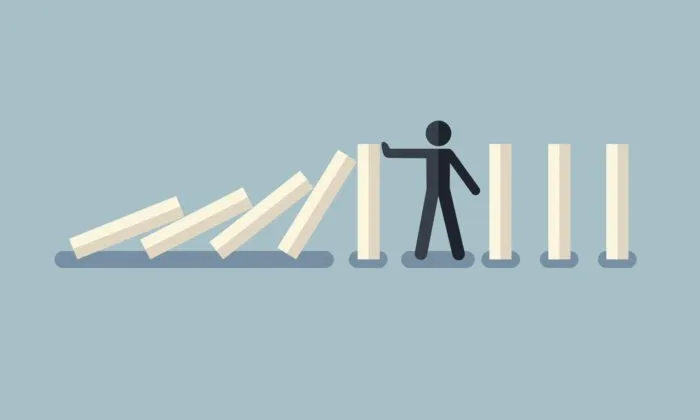
A number of years ago when I was teaching, growth mindset was the new buzz word, but really it was a shift in perspective. It was going from ‘you are smart or not’ to ‘you can learn by practice.’ Resilience can be the same thing. Some kids and families have a higher natural level of resilience, but it is not a stagnant thing, rather something that is grown and developed. This is great news because that means it is something you can develop in yourself and in your child. Resilience is the ability to withstand stress, pressure, transition etc. without adverse or lasting effects. Those who seem to have it are able to move through life with less anxiety, depression, or other such struggles. Resilience is not only a good tool, but it is something we could use at this specific time in our world.
Resilience in You
The first place to begin is by taking a good look at how you as a parent handle adverse situations. Are you a knee jerk reaction type person, do you pause and reflect first, or do you just numb out with social media, tv, or food? While children might not be able to say it, they see and sense what you do to cope. You can model how to talk about struggles and then show ways that you cope. Example: “Today was a hard day at work so tonight I will take some extra to read before going to bed. I might also need a cuddle from you.”
Resilience in Your Child
With younger children I go with a name it to tame technique. Name the feeling, talk about the challenge. It is not your job to prevent problems or to even solve them. It is your job to coach your child through those problems or at least support the feelings that come with it. Literally name it by “oh you’re sad because you don’t get to have that play date” or “this is frustrating when your sister ruins what you built.” You are modeling that feelings are okay to have and even encouraged to vocalize them which is a much better option than hitting your destructive little sister. This is also establishing and maintaining a close relationship with your child. They now know that you see them and have strength to help them in hard times.
Resilience in Your Teen
This is where is can get tricky. The teens years are wrought with a lot of push and pull. The teen pushes you away and yet wants to pull you in close. As a parent, focus on how your child needs to feel loved. It might not work to play Legos and cuddle on the couch anymore. They might value one on one time, touch, words of affirmation, or something special that only you two do. You also might not get outward signs, compliment or gratitude but you will see a stable, calm, high functioning teen. Teens are often extra stressed during this time in their life, but now unwilling to voice it or get help. This increases more mental health issues such as anxiety and depression. I often third person it. I won’t talk about myself or my child but rather make a general statement. Example: “When some teens get stressed they go outside to shoot hoops or walk the dog.” It is a way to model and imply a feeling and coping tool without forcing it. Teens still want to know that you see them and accept them no matter what.
Mental Health Tools
So what are ways that you, your child, or your teens can deal with the stress, transitions, and everything we encounter in life? I look for ways to improve your body, mind, and soul. Exercise, move, get outside. These will all help physically or maybe its getting a nap, bubble bath, or eating something yummy (and healthy). Stimulate your mind with something new, novel, or fascinating. Games, puzzles, podcasts or a new hobby can feed your mind in a new way. Your soul needs things through relationship. This can be people, pet, or nature based. We all long to be truly seen and know for who are, and loved and accepted as such. The best way to build and keep reliance is to stay plugged into relationships and routines. Resilience is something you will need at some point, but you might not know when. It is a skill and strength you will want practiced and ready. After you start to see improvements don’t stop what you are doing, but adjust so you can maintain the gains you and your family have seen. If you need more tools or support it is okay to seek out help. I know many counselors and therapist are busy, but it might be worth getting your name on a few waiting lists. Set up a weekly time with a friend to walk and talk or a play date with grandparents. There are options but you might need to be creative.