
ADHD without the H
As a counselor of children, I am often a source for ADHD support. Families who have a child that struggles at home or the school let’s them know their child is not able to fully follow classroom expectations etc. I also have other clients who come for depression and/or anxiety issues. I later find that part of this relates to ADHD issues that have never been diagnosed, because they don’t have the hyper component.
Can I have ADHD without the H?
The answer is yes! ADHD is an umbrella term related to attention difficulties. It encompasses seven areas of executive functioning skills. While being hyper can be a major attribute, so is the inattentive part. Many compliant, quiet children will not get diagnosed, because they are not causing major problems—but they still struggle. Adults too will have inattentive ADHD, but it looks different as you age.
Areas of Struggle
When I look at support for my ADHD clients, I first want to understand what area(s) they are lacking or weak in. The seven areas I consider are all types of executive functioning skills. These areas are: Initiation/activation, planning and organizing, effort, focus, working memory, self-monitoring, emotional regulation. Medication can address some of these areas, but may require support from teachers, friends, family and/or a mental health specialist.
In Real Life
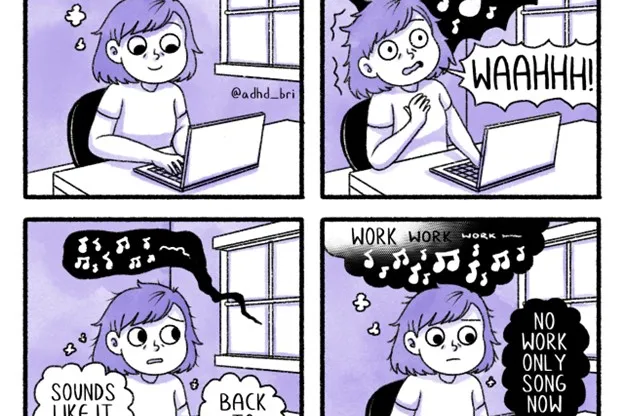
So that is all great information, but what does that mean in real life? I find that the biggest impact is on the family and friends of someone with ADHD. It can be hard for an ADHD person to focus on your words over what is playing in their head, the noise in the room, or the movement around them. I have heard the person being described as spacey, a daydreamer, procrastinator, disorganized, even lazy. A person with inattentive ADHD can be a bit like Dory from Find Nemo. There is a lack of knowing, even if you just told the person—but with support they remember better.
As that person ages they begin to notice their inability to focus, follow through and/or get things done. This can bring on insecurities, problems with friendships and relationships. Depression and anxiety become more prevalent. I find this especially true when the person has a family or school system that expect them to be just as capable as everyone else. They might have been able to cope at age 5, 6, or 7 but by 15, 16, or 17 they cannot meet the expectations set for them. The truth is that many inattentive ADHD people will have delays up to 3 years for executive functioning. That means to learn a skill, such as time management, takes them longer. For example, asking a 9 year old ADHD child to complete a task would be like asking their 6 year old sibling to also be able to complete it at the same competency level. I do acknowledge that eventually we all will need to be capable and competent in life, the process for those with all types of ADHD will take more targeted training and teaching.
Looking for more information or support? Michelle teaches a course on ADHD. Please email her at michelle@lifeencounter.com