
What is ADHD?
What is ADHD?
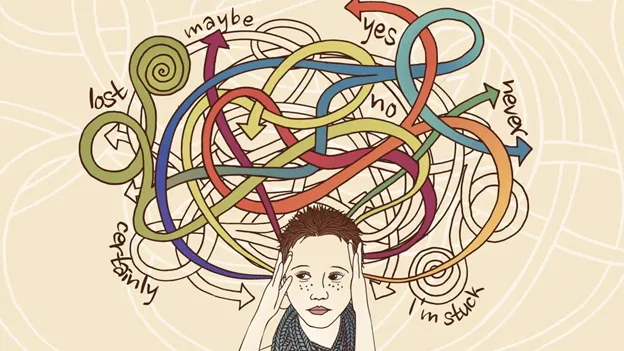
For both adult and children, the question often comes up “do I have ADHD?” or just “what is ADHD?” ADHD stands for attention-deficit/hyperactive disorder. It includes issues with focus and impulse control, but the name can mislead many to think it is only about being hyperactive or extremely scatter-brained. The list of symptoms focuses on attention, impulse and hyperactivity. The biggest factor to consider is, are these symptoms impacting ones quality of life and have they been around for more than six months.
For children the impact would often include difficulties with academic learning but can also greatly impact their social skills, emotion regulation as well as self-esteem. ADHD is connected to an area of the brain that helps us know how to control our thoughts and actions as well as how to make choices in the moment. Some children can develop the skills and use tools to help them cope with an ADHD brain. For other children the gap is too large and so families turn to stimulant medication to help. I would always recommend some parent coaching or basic counseling for the child to learn skills and tools.
While ADHD has often been categorized as a childhood issue many adults are now finding they too have an ADHD brain. Many adults have learned to cope and regulate some of the hyperactivity or even improve impulse control, but the inattentive quality seems to linger. I have also worked with those who now have a different understanding of their past and can cope better in the present knowing they have ADHD.
Non-Stimulate Treatment
Many families do not want to use stimulant medication to treat ADHD. What are the other treatment options? Recommendations include regulation tools as well as emotion support. ADHD can cause a person to feel ostracized because they do not function as many of their peers. The lack of focus or impulse to interrupt can impede social skills. Awareness can be a big tool because once they are aware then a person can begin to make a different choice.
It’s Not So Bad
I always want to remind people that just because your brain is more scattered, flighty or fast pace doesn’t mean you are less than. Many highly successful people have ADHD. The key is to understand what it looks like for you or your child as an individual. Then you can get the supports you need as well as find your strengths. I have seen that ADHD can also bring out more creativity and more adaptability. For more information please contact Michelle @ 442-243-9006 or michelle@lifeencounter.com