What are Boundaries?
· Summer Valentine
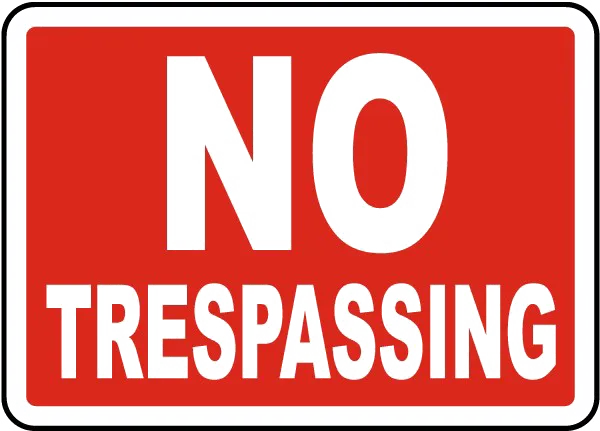
It is easy to understand the word boundaries if we look at Webster’s Dictionary definition (A real or imagined line that marks the edge or limit of something). For example, two trees that mark the edge of someone’s property, a no trespassing sign, or a mountain range that indicates the border of a region.
Personal boundaries can be a bit trickier. Personal boundaries are invisible, unique to the individual, and look different based upon the nature of the relationship. Personal boundaries define where you end, and others begin. They’re the limits we set for ourselves and for others in our relationships. Personal boundaries establish how much emotional and physical space you allow between yourself and others.
Do You Have Unhealthy Boundaries?
A lack of healthy boundaries can leave us feeling taken advantage of, taken for granted, angry, and resentful. Do you have a hard time saying “no” because you don’t want to be rude or disliked? Perhaps you feel overwhelmed by your responsibilities, yet you take on more to make others happy. Is it hard for you to separate your partner’s feelings from your feelings? Perhaps you allow your partner’s mood to control the level of your happiness. Have you given up on your dreams and goals to make someone else happy? Do you blame others for your problems instead of taking responsibility for your actions? If any of these examples resonate with you, it may be time to consider the need for healthier boundaries.
Why is it So Hard to Set Boundaries?
Setting boundaries and enforcing them can be challenging. Many of us were never taught how to set boundaries, and saying “no” may not have been modeled. Coming across as rude or selfish is a common fear, as well as disliking confrontation. Perhaps you are wondering, “How do I even start to set boundaries?”
Benefits of Healthy Boundaries
A lack of boundaries can lead to anxiety, depression, codependency, and stress-related physical symptoms. In the field of mental health, self-care is a popular topic. Setting boundaries is an essential part of self-care we don’t hear a lot about in our culture. Boundaries can improve your mental health and provide a sense of well-being. They help enhance self-esteem, self-respect, and confidence.
Focusing on who you are, what you need and want, and your values is empowering. Healthy boundaries can provide a sense of relief because others know what to expect from you. Not only are boundaries good for you, but the people in your life also benefit from knowing your boundaries. When you know your boundaries and communicate them clearly, it helps people understand and respect you.
Now What?
Setting boundaries is something you want to do; however, you may not know how to start. It can be helpful to begin by examining your values and priorities, and engaging in a values clarification exercise.
Stay tuned to learn more about how to set boundaries!