
Mental Health and Me
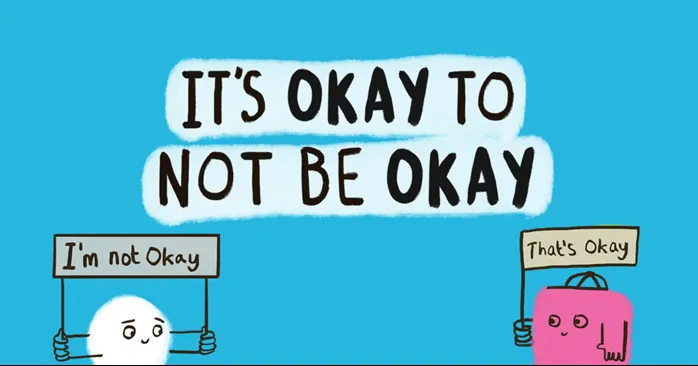
Ok Not to Be Ok
In the past week I have seen, heard, and been asked more about mental health than possibly ever in my adult life. Having a big Olympics star such as Simone Biles withdrawal due to her mental health has brought on more stories of mental health awareness in athletes and in the general public. Michael Phelps, Lindsay Vonn and Naomie Osaka have also spoken up about the pressures of athletic stardom and the need for “its okay not to be okay.” This idea isn’t new as evidenced by the song and Netflix series but I’m not here to talk about those but rather the need to break down stigma for getting help and also how to get that help.
It’s Okay Not to Be Okay
On average 1 in 4 will deal with some mental health challenges. I personally would say its higher but there are people who naturally have a support system and know how to use it. The 1 in 4 seems to apply more to those that seek out professional diagnosing and support. Depression and anxiety are the top contenders in this statistic. I have told many a client that we will all get anxious sometime in our life and all get depressed sometime. Getting help will provide you with tools and steps to take when those moments arrive, not if they arrive. Also, just because you have these moments might not equal a diagnosis, but it still warrants seeking out support personally or professionally. This is how I interpret the phrase it’s okay not to be okay. So when some one asks “how’s it going?” you can be real and say, I’m really anxious or I’m feeling pretty low this week. Stop keeping your struggle to yourself.
How to Do I know If I need help?
There are online quizzes for both anxiety and depression. Now many doctors will include a basic screener for these in a check up. There are two things I would consider. One is how much is it affecting your life and wellbeing. Is it harder to function, to focus, to be a decent person? If so, then you might want to seek out help. The second thing I consider is how long has this been going on? If you have had two bad days I would do some self-care, drink some water, exercise and get good sleep. If you are going into week three then it might be time to look for some support options.
How Do I Get Help?
You can ask your friends and family, talk to your doctor or use the internet to find a therapist, counselor, or mental health provider. I often refer clients to seek out Psychology Today because you can look for specializations and someone who takes your insurance. I would encourage you to have a list of 4 or 5 people you would be willing to work with. Right now the need is high and the waitlists to get in are long. Some people can also look for interns which means they have a degree and are practicing under their supervisor’s license. Think of a doctor that is in their residency. Many universities also have student interns which are graduate students who not only have a supervisor but a university supervisor who is supporting them as clinicians. They often have openings and lower fees but also come with a lack of experience.
I encourage people seeking a mental health provider to be ready to try one or more counselors. You shop around for a good doctor, dentist, hairdresser, you should do the same for a counselor. So much of the work that needs to take place has to start with feeling safe and connected to the therapist. If that is not there the work will be limited and or slow.
What Type of Therapy do I Need?
There are many different types of therapy. Each counselor tends to focus or be highly trained with certain methods. While I cannot go into detail over every type, here is the most basic of lists to consider.
CBT (Cognitive Behavior Therapy) This is one that almost every insurance company covers in mental health. It is great for anxiety and depression. Focusing on thoughts and actions.
EMDR (Eye Movement Desensitization and Reprocessing) This is one that is use for trauma support. It can be done with children or adults.
Play Therapy. For the kids who are still learning about themselves and the world around them. It uses connection through play to open up conversations and practice skills as well as processing emotions.
IFS (internal family system) A great one for trauma but also all around support. The name might be misleading. IFS uses the different parts of us such as “part of me wants to and part of me doesn’t.”
Psychodynamic. This goes all the way back to Freud. It uses the therapy space and interaction between therapist and client to process and develop new awareness.
All of this to say reach out and get support. It is worth the time, money and effort to become a healthy whole human.