
Help! My Child is Depressed!
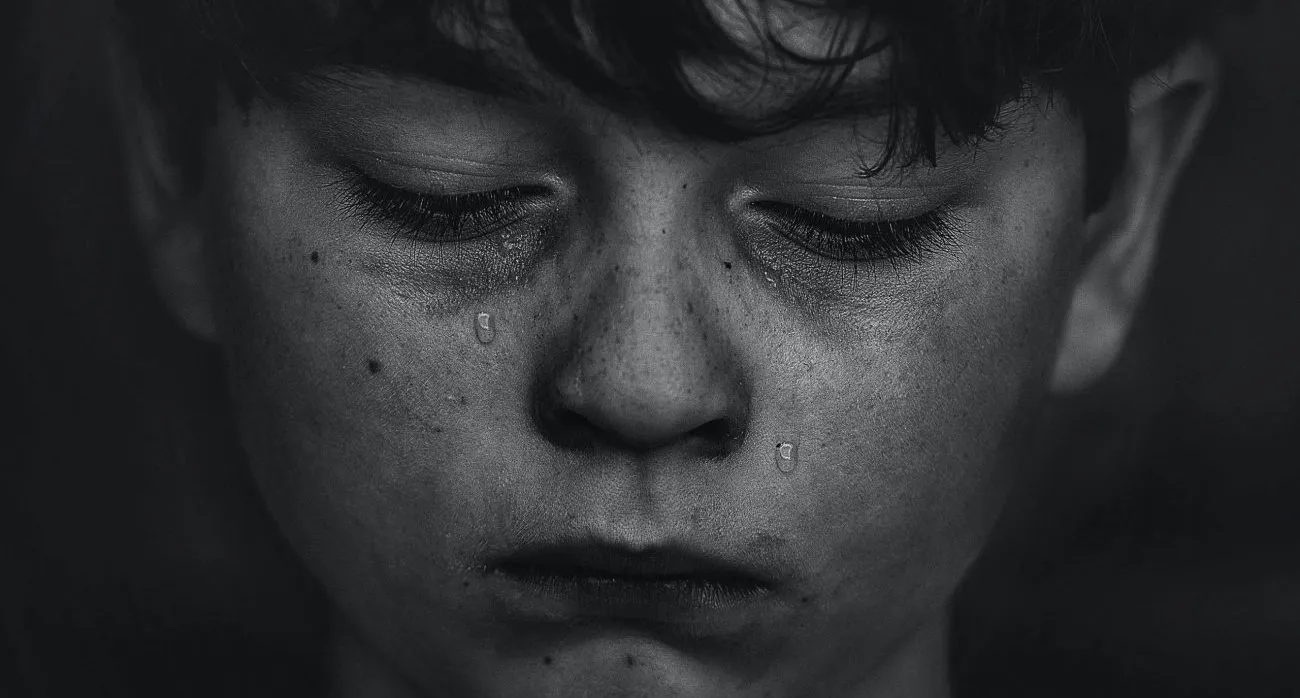
Depression in Children
As a parent or caregiver, it is so challenging to see a child struggle with their feelings. When children face emotional issues it often will look different than it does in older adolescents or adults.
What Does Childhood Depression Look Like?
Depending on which developmental and emotional stage your child is at, depression can and will look different. Some children will become moody more often. You might notice that giving them reminders or directions now comes with eye rolls, grumbles or even tears. Some children become extra busy with shorter attention spans. They might complain that their toys and games are boring after a few minutes. Others might be clingier and seem to have returned to a younger version of themselves. You also might see that they have different eating or sleeping patterns.
What Causes Childhood Depression?
Causes vary but recent events are definitely a factor. Children are no longer having the same level of social interactions or play time. Children might also be picking up on your own bad mood or negative comments. You have ways to manage those feelings they have not learned. Your child is in the middle of learning to recognize emotions in others and in themselves. This alone can be a challenge for some children and an area with which parents can help. Children are also in the midst of learning language which moves from a concrete understanding to something more abstract . A child in a concrete stage of understanding hears you say you have a splitting headache, so they stare at your head looking for a cut or rip. They want to know where it is splitting or perhaps bring you some tape to keep your head together. Depending on where they are in their developement, they will express their depression differently.
What Can I Do?
The first thing is to believe your child if they tell you or show you that they are not doing well. I will often coach parents to use as few words as possible to reflect their child’s feelings in the moment by stating, “You’re mad” or “You’re sad.” For the older child you can also add why the feeling is important. “You’re mad that you missed out” or “You’re sad this was cancelled.” Often what results is the child expanding and explaining more. This may also open a space for you to be present with your child and simply be there with them in their big feelings. To connect with your child by allowing them to feel everything welling up inside of them and to let them know you hear them and are there to comfort can go a long way. Once the emotions have been heard, supported, and calmed you can then begin problem solving by either helping to adjust the situation, or adjusting their perspective on what is happening.
Another thing to consider is your child’s structure and routine. I tell my kid clients to always do something for their head, heart, soul, and body. Do they have quality food and movement time? Have they done something that allows for creative expression or something that helps others? Looking into your child’s diet and exercise can make a big impact. We all feel crummy if we are sick to our stomach or not sleeping enough. Sometimes children have food intolerances that are displayed in their moods. Learning if your child has sensitivities to wheat, dairy, preservatives or food dyes are common in children. Resolving these issues could be a key to a happier child.
Michelle Reilly

Hello, I’m Michelle or Miss Michelle to the kiddos. I have lived in the PNW all my life. I was raised in a Christian home and my faith is an anchor in my life that I rely on. I have a degree in education and have taught at the elementary level for over 15 years.